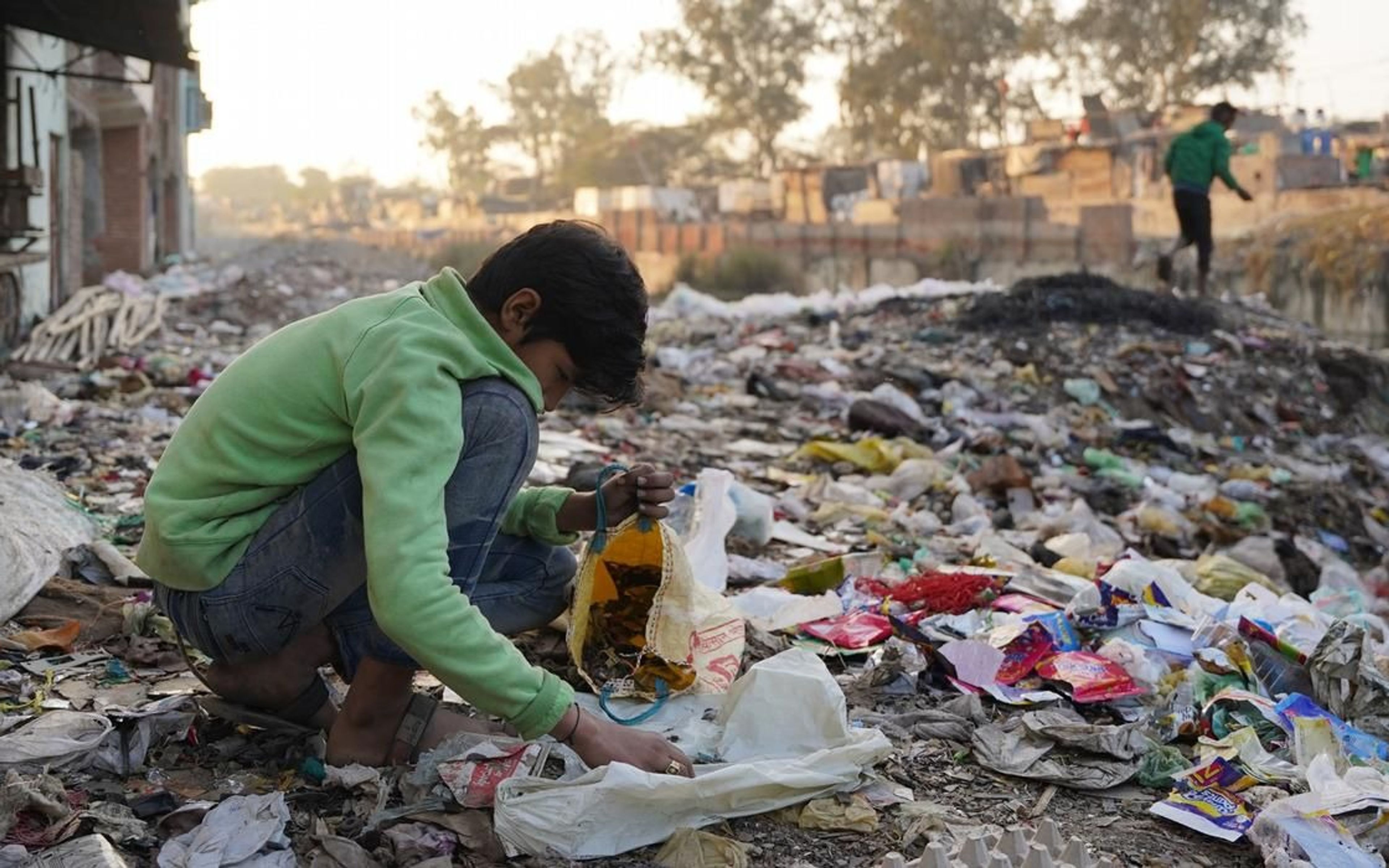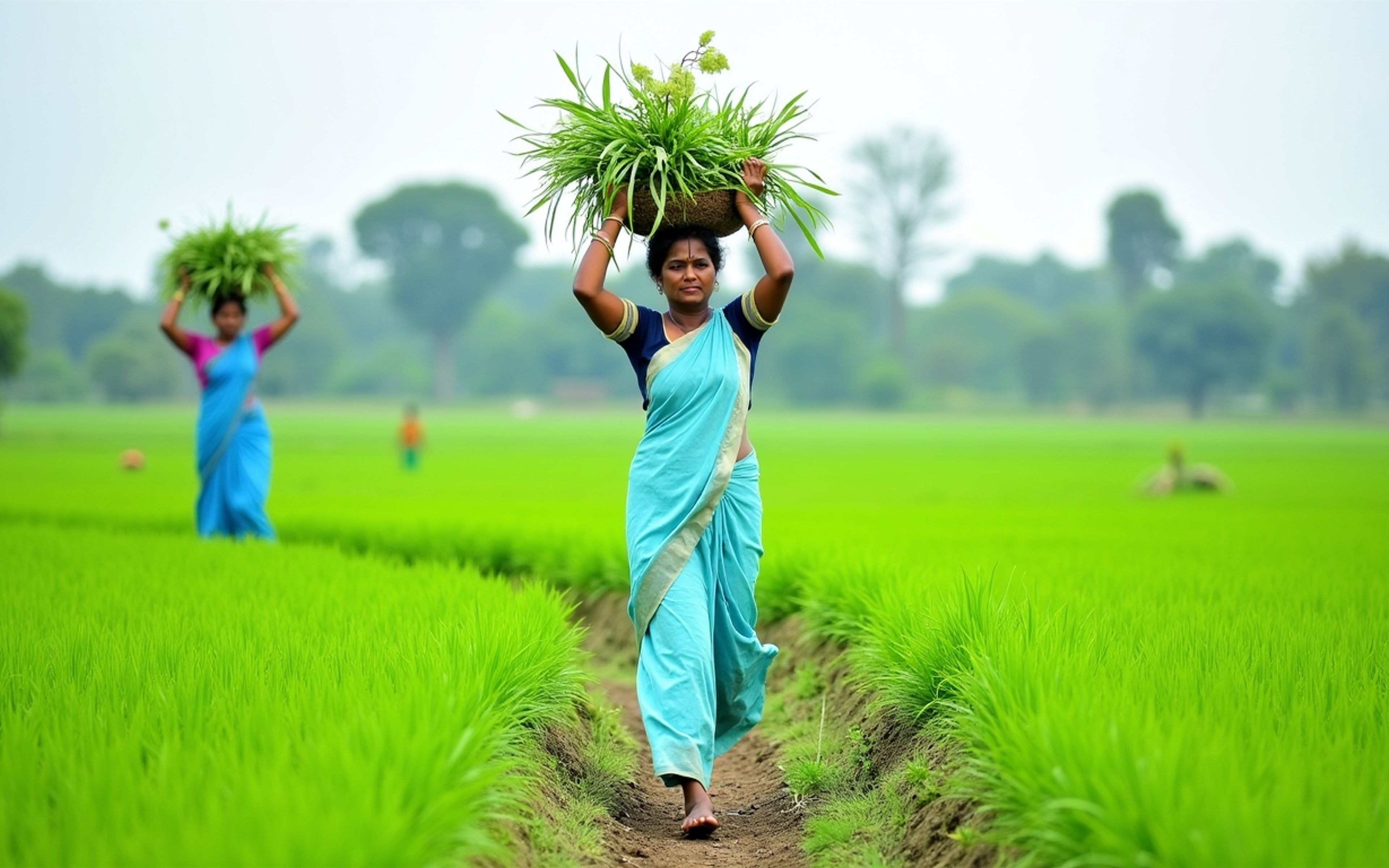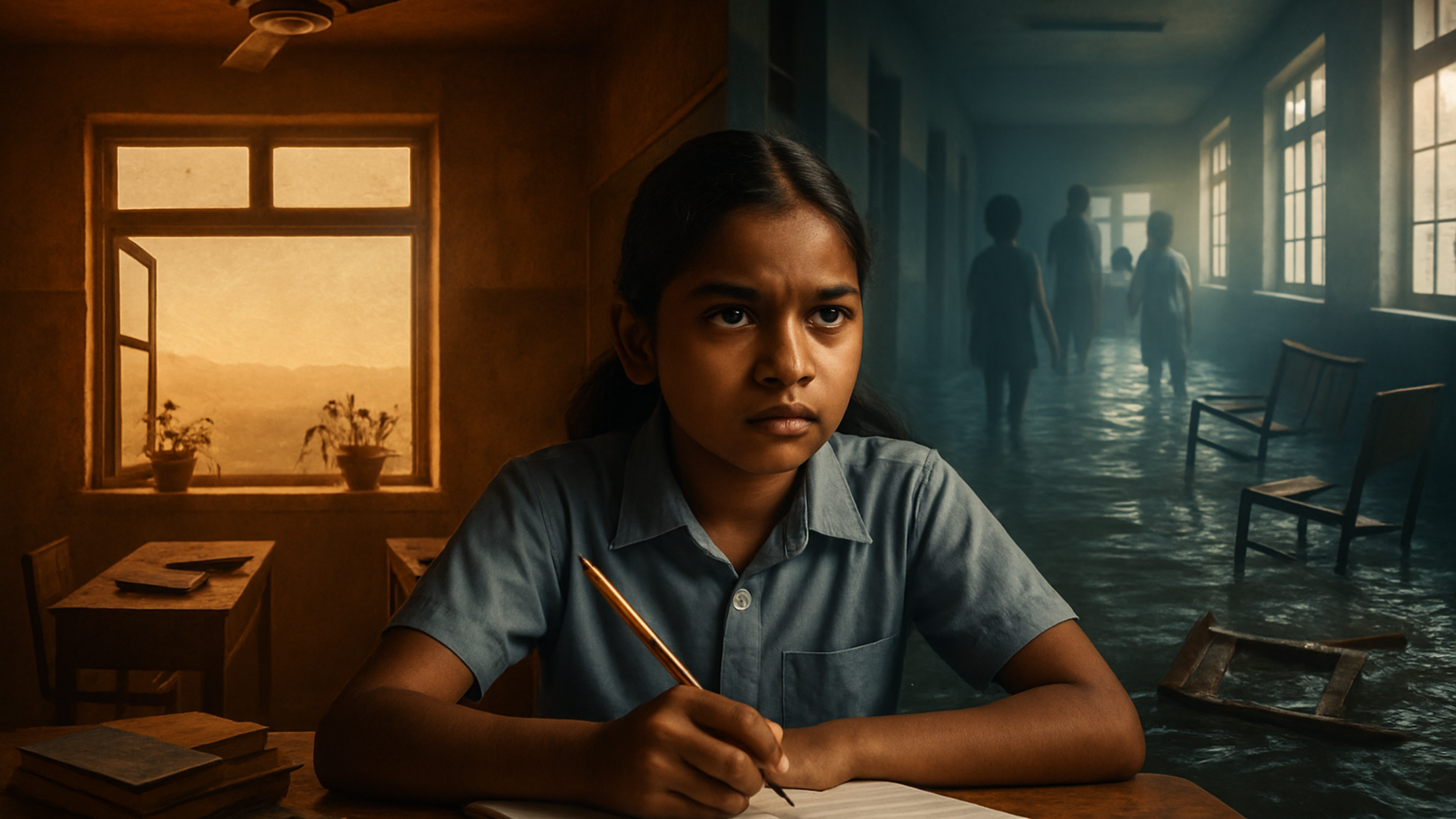
Inside a Classroom
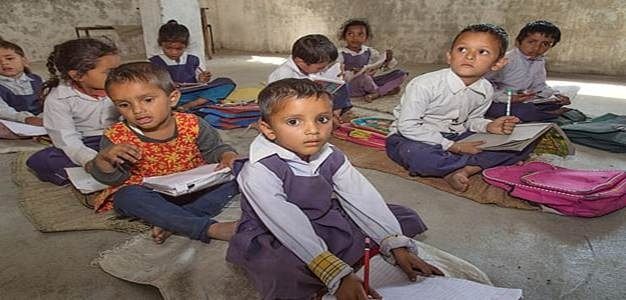
The classroom is already hot when the day begins. Thirty students sit at wooden desks, their notebooks open, pens ready. The ceiling fan stirs the air for a moment, then slows, then stops altogether. A power cut. No one looks surprised. The teacher pauses mid-sentence, listening for the generator that sometimes comes alive after a few minutes. Today, it doesn’t. She wipes her forehead with the edge of her dupatta and continues anyway.
Outside the open window, the narrow road that leads to the school is half‑submerged from last night’s rain. Two students who usually arrive late never arrive at all. Their village near the flood‑prone banks of the Brahmaputra in Assam remains cut off. The water rose too quickly in the dark, and with it, the school day quietly lost two names from the register.
The bell rings sharp, punctual, familiar. It signals the start of the day. But inside this room, the lesson has already been disrupted-by the same forces that kept those students away. Heat, water, and electricity have quietly taken control of the timetable. This is how the school year unfolds now, through interruptions and not through semesters and exams.
Climate disruptions are already reshaping classrooms across the world. This reflects a global pattern, with UNICEF reporting that in 2024 roughly one in seven students worldwide faced disruptions to their schooling due to climate hazards. The Indian Express highlights that over 5 crore schoolchildren in India faced disruption due to heatwaves alone last year.
When Nature Takes Over the Classroom
By early summer, the heat begins rewriting the school day. Afternoon classes grow shorter without any formal announcement. Teachers stop assigning long written work after lunch. Students struggle to focus, their heads heavy, eyes unfocused. Water bottles are passed around more often than textbooks. One boy nearly faints during morning assembly; and after that, assemblies are quietly suspended.
In states like Rajasthan and Uttar Pradesh, temperatures now regularly exceed 45°C during school months, overwhelming poorly ventilated classrooms. Learning doesn’t stop, but it becomes cautious. Teachers rush through lessons they once explained slowly. Exams are postponed. Chapters are covered rather than understood. The bell continues to ring on schedule, but it no longer controls when learning can actually happen.
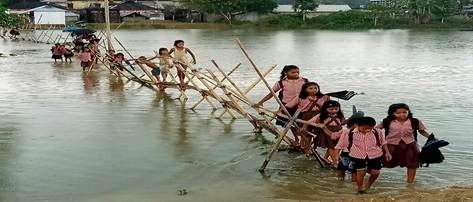
Then the rain arrives. Overnight, the dirt road connecting the neighbouring village to school disappears under brown water. Parents in Assam’s floodplains stand at its edge in the morning, calculating risk. Some send their children anyway. Many don’t.
Inside the classroom, empty desks stand out. The teacher opens the attendance register and pauses at each absent name. These are not casual absences. This is geography and weather deciding who gets to learn today.
When the missing students return days later with shoes still damp, notebooks warped from moisture, the lesson begins again for them. Those who never missed a day sit through it twice, patient but restless. Learning fragments. No lesson is ever taught to everyone at the same time.
During heavier storms, schools move online. Messages are sent. Timetables are shared. On paper, learning continues. In reality, it thins. Some students attend class from phones, headphones pressed close as rain pounds the roof. For others, electricity comes and goes. Data runs out. Phones are shared among siblings. Many students never log in at all.
The teacher speaks into a screen filled with black boxes and frozen faces, repeating herself, unsure who can hear. When the storm passes and school resumes in person, the gap remains. Some students are weeks behind. Some are quietly lost.
Climate change doesn’t cancel school outright. It stretches it thin.
The Invisible Divide
As these disruptions pile up, patterns emerge. Government schools struggle the most. Buildings leak. Ventilation is poor. Backup power fails often or doesn’t exist. When electricity goes out, lessons stop entirely. When roofs leak, buckets appear in classrooms instead of repairs. According to Climate Fact Checks, in 2022 Karnataka’s floods alone, nearly 7,000 primary schools and learning centres were damaged in recent years.
Rural students are especially vulnerable. They walk longer distances to school, making them dependent on roads that disappear during floods and heat that becomes dangerous by midday. Attendance drops not because of disinterest, but because reaching school itself becomes uncertain.
Girls begin missing school more regularly. Safety concerns grow when roads are damaged. Household responsibilities increase after floods such as fetching water, caring for siblings, helping rebuild homes. Absences start as temporary and slowly become routine. Studies in rural India show that girls and marginalized children often face the most severe educational setbacks after floods, especially when resources are tight.
Low‑income families make difficult choices every day. Repairing a roof comes before buying notebooks. Helping earn daily wages comes before attending class. Education becomes conditional, something to return to when life allows.
None of this appears in official records. But it shows clearly who remains seated in the classroom and who does not.
Teachers on the Frontlines of Climate
Teachers carry the weight of all this quietly. They become improvisers. They reteach chapters to students who missed weeks of school.
They also become listeners. They hear stories of flooded homes in Assam, of heat exhaustion in villages across central India, of families considering migration from coastal districts. Teachers absorb worry they cannot fix. They encourage students to return, to persist, even when circumstances say otherwise.
In many cases, educators have to tailor learning materials for sporadic attendance such as preparing take‑home packets, one‑on‑one catch ups, and informal study circles outside official hours. This quiet work rarely makes headlines, but it is what keeps education going.
Burnout doesn’t look dramatic. It looks like patience running thin. Like lesson plans crossed out at the last minute. Like staying after school to help students who have fallen behind, knowing some may never fully catch up.
Still, they show up.
Because if they don’t, the fragile thread of continuity breaks entirely.
Education as Climate Resilience
By the final months, the syllabus is technically complete. But everyone knows the truth. This year was shaped less by bells and more by interruptions, leaving learning fragmented and progress uneven. Some students moved forward. Others were left behind, not because they lacked ability, but because the conditions around them refused to stay still.
And yet, the classroom door opens every morning. Students arrive when they can. Teachers teach what they can. Education itself becomes an act of resilience. Not loud, but persistent
What unfolds here mirrors a wider warning. The Global Education Monitoring Report estimates that if such disruptions continue, climate change could reduce a child’s expected years of schooling by up to 1.5 years.
The bell still rings. But now, it competes with heatwaves in schools across Rajasthan, floods in Assam and Karnataka, and power cuts across villages in Odisha. And still, inside these classrooms, learning continues but fragile, imperfect, human.
Conclusion
Climate change is no longer a distant future threat, rather it is reshaping children’s classrooms today. Heatwaves force midday dismissals; floods erase roads and attendance; online lessons amplify the digital divide; and teachers improvise solutions far beyond their job descriptions. What was once an occasional interruption now dictates who gets to learn, when, and how deeply.
And yet, amidst heat, rain, and uncertainty, education persists, not because systems are flawless, but because human resilience refuses to be silenced. Climate disruptions may stretch learning thin, but they have also revealed the quiet strength of teachers, the adaptability of students, and the deep value a community places on education.