I am terrible at gardening. I once managed to kill a cactus. The only thing that thrives on my balcony is dust.
That does not mean I am disconnected from nature. If you live in India, you are tied into a dense, invisible web of life that is being cut apart quietly. This is not the dramatic extinction of tigers or elephants that makes headlines. This is the slow disappearance of ordinary species, happening without noise, without witnesses and without urgency.
It is the kind of loss you do not notice until it has already reshaped your daily life.
[1]The Sparrow That Used to Be#
[1]The decline of population of house sparrow in India (IARAS Journals)
A REVIEW OF HOUSE SPARROW POPULATION DECLINE IN INDIA (Monika et al.)
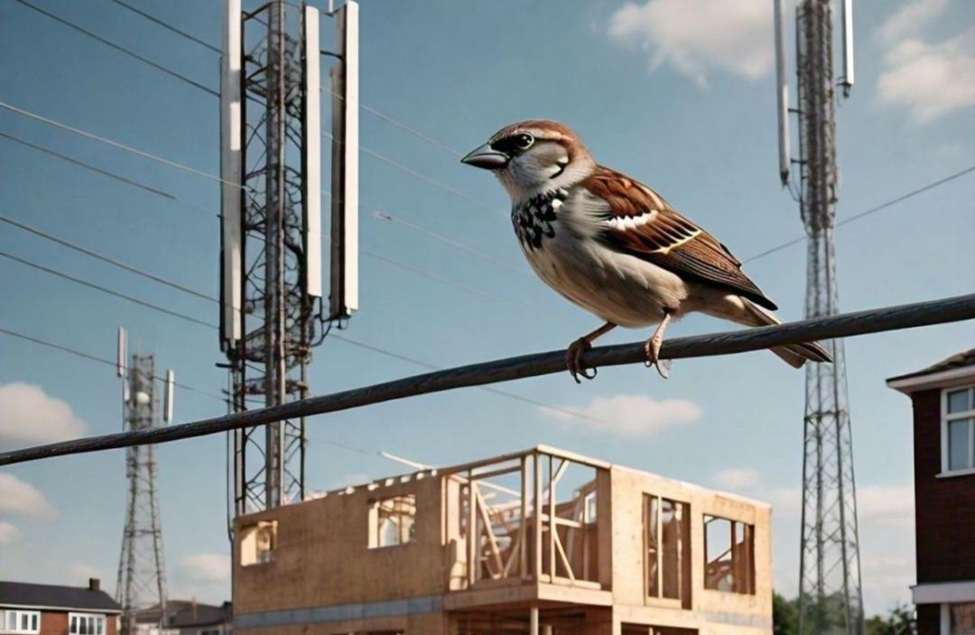
Remember the house sparrow? The small bird that hopped around courtyards, nested near air-conditioners and survived comfortably alongside humans. It is vanishing from Indian cities.
This is not nostalgia. Sparrows and other common birds act as basic pest control. They feed on insects and small pests. Modern urban construction sealed concrete buildings with no nesting space and heavy pesticide use have removed both their homes and their food.
Fewer sparrows means more insects. More insects mean more chemical sprays. The disappearance of birds pushes cities into a loop of higher pest problems and increased dependence on toxins.
[2]The Fish in the River, The Dish on Your Plate#
[2] Effects Of Water Pollution On Fisheries Sector (IJCRT)
Impact of Industrial Pollution on the Nematode Fauna of Fishes in the Kanpur Stretch of the Ganga (ResearchGate)
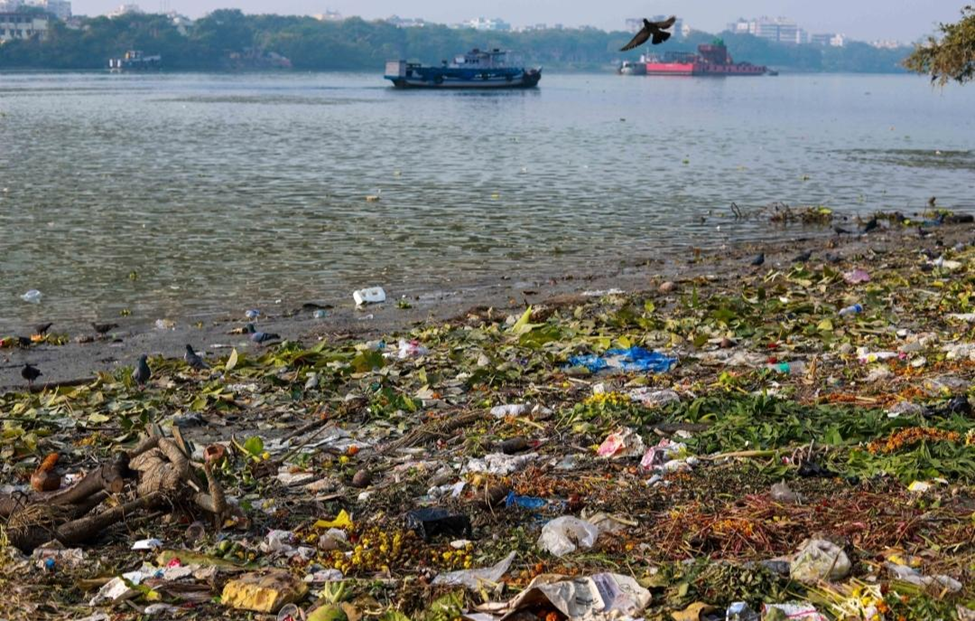
Walk along the banks of any major Indian river and speak to an old fisherman. He will not talk about “ecosystem collapse.” He will tell you which local fish – rohu, pabda or small river catfish which no longer show up in his nets.
Rivers have become waste channels for untreated sewage and industrial discharge. Sensitive local fish species die first. What remains are mass produced or imported fish, often farmed elsewhere. Prices rise and Quality drops. A polluted river removes affordable protein from poor households and destroys livelihoods at the same time.
Polluted rivers reduce fish. Reduced fish raises prices. Higher prices hit the poorest communities first.
[3]The Trees with Legs: Guardians of the Coast#
[3] Protecting mangroves, to deal with cyclones (India Water Portal)
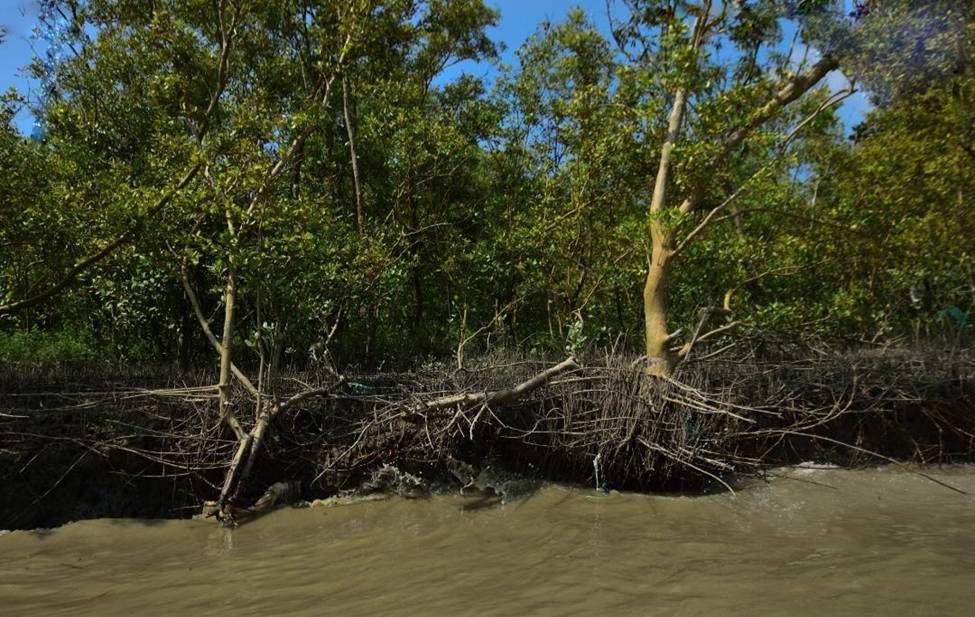
People in cities like Mumbai, Chennai and Kolkata know mangroves. They are muddy, tangled, mosquito filled forests that look messy and inconvenient which makes them easy to destroy in the name of development.
Those tangled roots are among the most effective natural flood defenses on Earth. When a cyclone hits or sea levels rise, mangroves absorb wave energy and reduce storm impact. Where mangroves remain, damage drops sharply. Where they are removed, floods reach roads, homes, and ground floors directly as seen repeatedly during Mumbai and Chennai floods.
Cutting mangroves converts coastal protection into coastal vulnerability.
[4]The Unseen Army That Feeds Us#
[4] Decline of pollinators threatens food supply (The Hindu)
Mangroves protected villages and reduced death toll during Indian super cyclone (PNAS)
Pesticides put pollinators at risk, threaten global crop yields (Times of India)
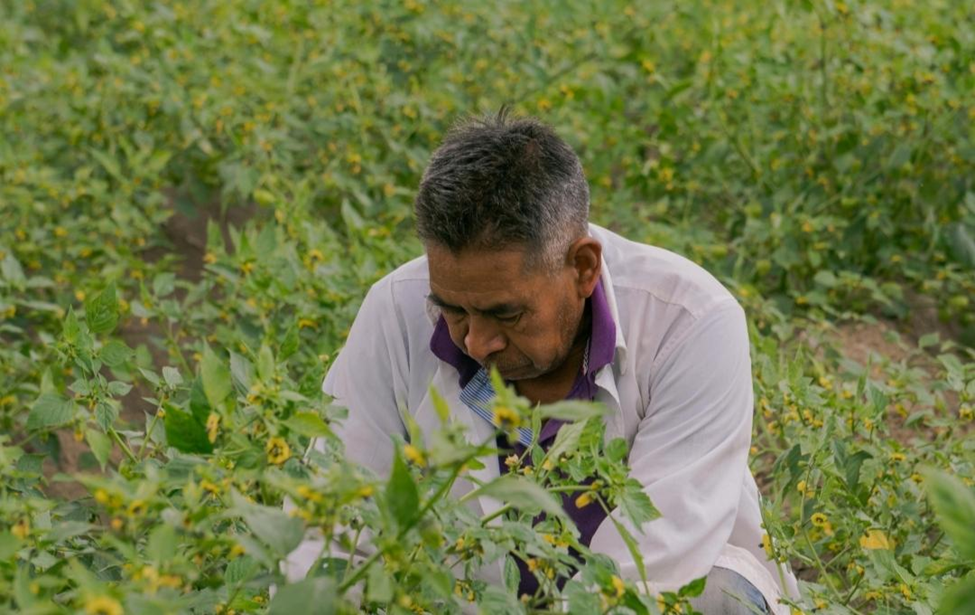
If you drink tea, eat fruit, or cook with spices, you depend on pollinators. Bees, butterflies and moths are responsible for the reproduction of nearly three-quarters of the crops we eat.
In India, increasing pesticide use does not distinguish between pests and pollinators. When pollinators disappear, farmers must compensate manually. In parts of the world, crops are already hand-pollinated at high cost. That cost shows up as higher food prices, lower crop diversity, and reduced nutrition.
The disappearance of pollinators turns free ecological labor into expensive human labor and consumers pay for it.
A Gentle Reminder#
The silent extinction isn't about saving some exotic creature for a nature documentary. It’s about self-preservation.
The loss of mangroves means your risk of losing your home to a flood goes up, the loss of river fish means your food bills go up and last but not the least the loss of grassland animals leads to land degradation, which turns green spaces into dusty patches, contributing to the heat and making your summer, a little more unbearable.
These are not abstract problems. This is the world becoming hotter, poorer, less healthy and more hostile for you and your children.
What Can We Do?#
It’s easy to feel helpless but this loss is happening through a million small decisions, so the solution can also begin with yours. You don’t need to chain yourself to a tree.
Be a Sparrow’s Landlord
Place a small earthen pot or wooden nest box near a shaded balcony wall. Add water and grain daily.
Ask Where Your Food Comes From
When buying fish, ask whether it is locally caught. Choose local and seasonal options.
Rethink the “Perfect” Lawn
Reduce chemical use. Allow insects. More insects mean more birds and better pollination.
Demand Green, Not Grey
When construction threatens a wetland or forest patch, ask your RWA or corporator one question:
“What is the environmental cost?”
Silence enables destruction. Questions interrupt it.
Conclusion#
We started this talking about a dead cactus, but the truth is, the only reason we haven't killed ourselves yet is because of the natural world – the fish, the birds, the humble bee which has been working tirelessly for free to keep the system running.
So let’s stop pretending their extinction isn’t personal because when that last sparrow stops chirping and the waves start hitting your door, you’ll realize the joke’s on us.
Don’t let the world become a place where the only bird you hear is an alarm app on your phone. So, let's make some noise for the silent ones.